
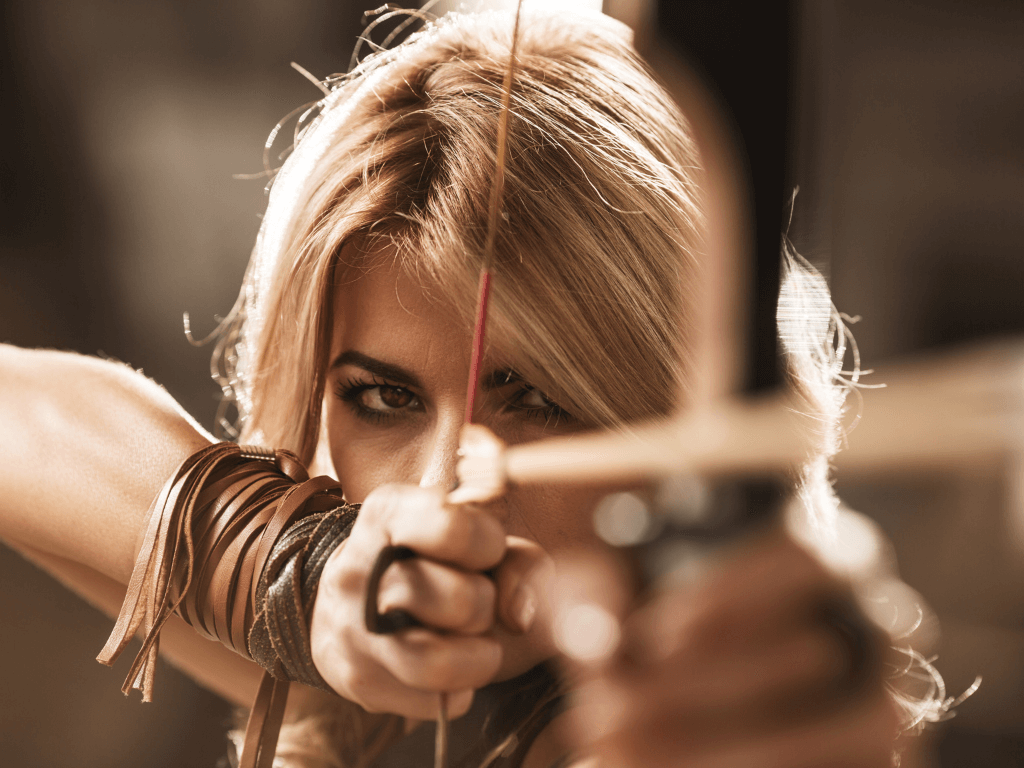
Are you looking to improve your archery shooting skills and hit the bullseye every time? Look no further than our comprehensive guide to perfecting your bow and arrow skills.
Whether you're a beginner or a seasoned pro, we've got you covered with expert advice on drawing the bow, proper posture and breathing, aiming, and holding before releasing. We'll also share steps for shooting, as well as tips for improving accuracy — plus valuable insights to help you take your archery shooting to the next level. Let's get started!
📋 Key Takeaways
- A repeatable anchor point matters more than almost any equipment change — it's the reference every shot is built on.
- Keep your bow-hand grip relaxed; a tight grip torques the bow at release.
- Follow through — hold your position until the arrow lands; don't drop the bow arm to watch it fly.
- Practice quality beats arrow count — 30 focused arrows beat 100 careless ones.
- Change one variable at a time when you test adjustments, or you won't know what worked.
- If you have to hold at full draw too long, let down and start over rather than forcing the shot.
📑 Table of ContentsJump to any section in this guide 10 sectionsView contentsHide contents
The Shot Sequence
Every shot — whether a practice arrow at 10 yards or a scored end at 70 — follows the same basic sequence. Running through it deliberately is the fastest way to build consistency:
- Stance — feet shoulder-width apart, perpendicular to the shooting line, weight balanced.
- Posture — stand tall with your back straight; don't lean toward the target.
- Grip — place the bow in the web of your hand with a relaxed, neutral bow hand.
- Nock and set — nock the arrow, set your string fingers and bow hand the same way every time.
- Raise and draw — raise the bow toward the target and draw with your back muscles, not just your arm.
- Anchor — bring the string hand to the same reference point on every shot.
- Aim — focus on a small spot on the target, not the whole face.
- Release — relax the string fingers and let the string go cleanly.
- Follow through — hold your position until the arrow lands; let your hand drift back naturally.
Tips for Drawing the Bow
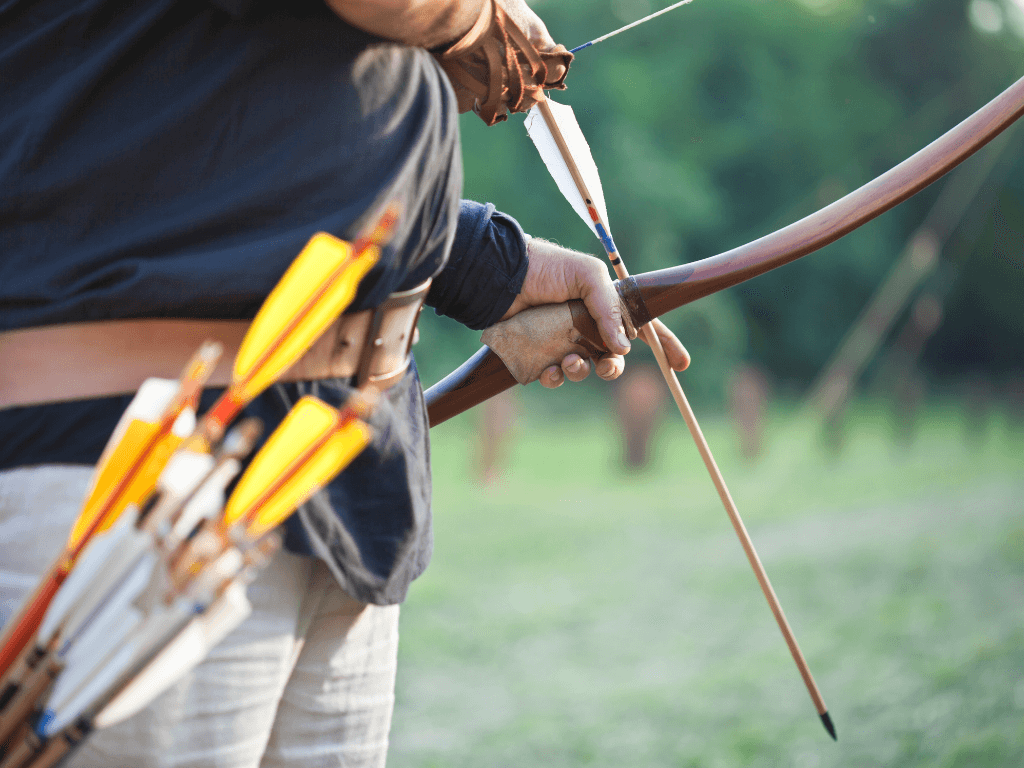
Developing mastery in archery requires adeptness in drawing the bow. For this, you must remember to shorten your release — holding too long on the string may throw your aim off, thus yielding unreliable accuracy. To enhance precision, it is necessary to shorten your release.
Drawing the bow calls for a few considerations. You must prioritize accuracy over haste. Shooting rapidly may seem advantageous, yet it could compromise accuracy.
Similarly, the craze of short-and-light bows should be met with scrutiny: short bows can shoot very accurately, but they are generally less forgiving of small form errors than longer bows — a calm, controlled draw matters more on a short bow.
Excelling in accuracy requires discipline in posture, breathing, aiming, and holding before shooting the arrow. Stand upright, take deep breaths, focus your eyes, and keep a relaxed but controlled bow-hand grip.
Following these steps will boost the chance of hitting the target.
To further improve your accuracy, focus on a small spot on the target. Concentrating on a minuscule area boosts the chances of connecting. Additionally, use appropriate equipment, such as a suitable bow and arrows. Practicing with target-point arrow tips is also helpful. Lastly, remain still until the arrow reaches the target to avoid any unnecessary movements that could disrupt your aim.
Steps for Shooting
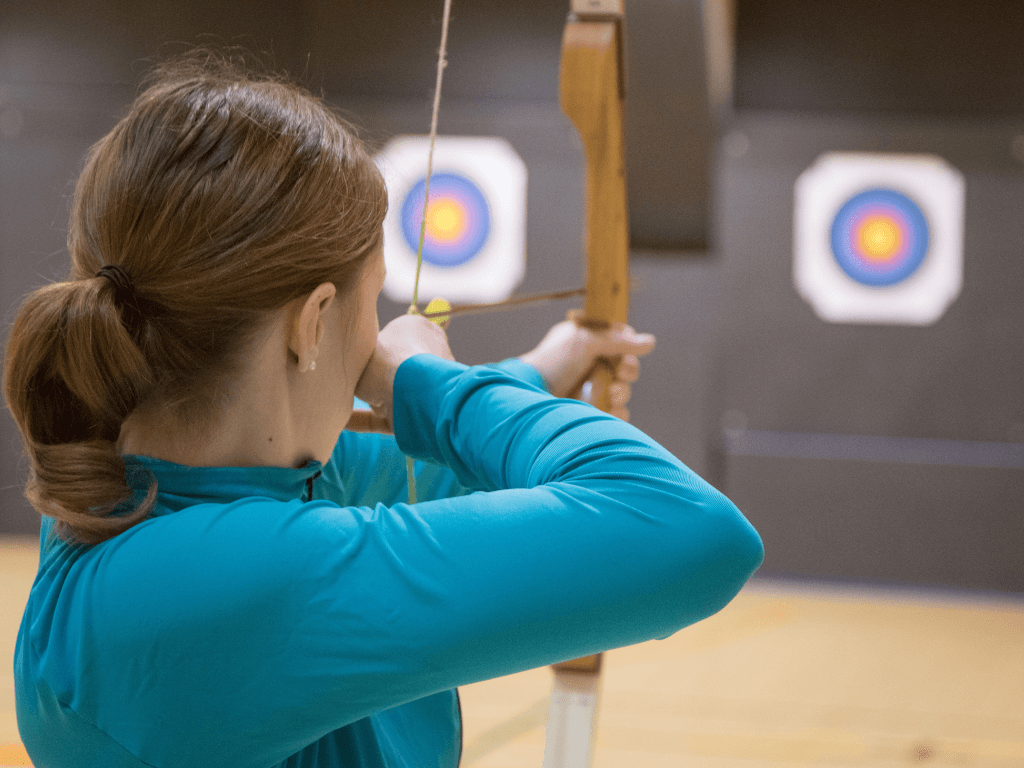
Mastering the craft of archery takes commitment and diligence. The most vital part of shooting is identifying your anchor point. This is the point at which you consistently draw the bowstring back prior to release. Your anchor point should be comfortable and predictable. Once you have your anchor point, focus on your target. It is essential to keep your eyes on hitting your desired spot, whether it is the bullseye or a particular area.
After each shot, evaluate your approach to make changes and enhance your accuracy.
Another essential part of shooting is properly gripping the bowstring. Hook the string in the first joints of your index, middle and ring fingers, with the back of your hand relaxed — firmly enough to control the string, not so tightly that your forearm tenses up. Make certain your hand and arm positioning are accurate before drawing the bowstring back to your anchor point. Take a deep breath, aim, and release.
With practice, you will be able to hit your target reliably.
Finally, it is critical to make sure you are using the appropriate equipment when shooting. Check that your bow is the correct size and weight for you and that your arrows are the right length and weight. Employing target-point arrowheads for practice can help you hone your accuracy and hit your target. Concentrate on a small spot on the target, keep your head still until the arrow hits, and analyze your approach after each shot. With dedication and practice, you can refine your shooting skills and hit your target every time.
Tips for Improving Accuracy
Accuracy is an essential part of mastering the bow and arrow. To hone your skills, concentrate on a single spot on the target. This will help you focus and increase your chances of hitting the mark. In addition, ensure your equipment and form are correct, including adjusting the draw length or making sure the bowstring is taut. Even the slightest tweaks can make a considerable difference in accuracy.
Using target-point arrow tips for practice is another great way to improve precision. These tips are designed to help you refine your aim and guarantee successful shots. Additionally, try to keep your head still until the arrow has struck the target. Moving prematurely can disrupt your aim and lower your accuracy. By keeping your head motionless, you can stay focused and gradually sharpen your accuracy.
The right breathing and posture can also greatly impact accuracy. Keeping your back straight and taking deep breaths will help you stay balanced and focused on the target.
After each practice session, analyze your shots to pinpoint areas that need improvement. With consistent tracking and adjustments, you can improve your accuracy and achieve your goals.
Common Mistakes That Hurt Your Accuracy
- Holding at full draw too long — your muscles fatigue after 3–5 seconds. If you're still aiming after 5 seconds, let down and start over. Forced shots rarely hit the mark.
- Gripping the bow too tight — a death grip introduces torque. Your bow hand should be relaxed — think of holding a tube of toothpaste without squeezing any out.
- Inconsistent anchor point — if your anchor floats even a quarter inch, your arrows will land inches apart at 20 yards. Mark your anchor or practice until it's muscle memory.
- Peeking (dropping the bow arm to watch the arrow) — the arrow is still on the string when you move. Hold your position for a full second after release.
- Wrong draw weight — if you can't hold at full draw for 10 seconds without shaking, your draw weight is too high. Drop down 5 lbs and watch your groups tighten.
- Ignoring equipment maintenance — a frayed string, loose sight screws or a bent arrow rest will undo months of form practice. Inspect your gear before every session.
- Not analyzing your shots — shooting 100 arrows without thinking is less effective than shooting 30 arrows with focused analysis. Keep a simple shot log.
How to Practice More Effectively
Most archers don't improve because they practice too much, but because they practice unfocused. A few habits make sessions count:
- Keep sessions short and fresh — stop when your form starts to deteriorate. Tired repetitions train bad habits.
- Work on one thing at a time — one session for your anchor, another for follow-through. Changing several variables at once hides what's working.
- Use blank-bale practice — shoot at a blank target at close range with your eyes on form, not the arrow. It's the classic way to build the shot sequence.
- Keep a shot log — track distance, group size, number of arrows and how the shots felt. Patterns show up in a week or two that you'd never notice shot by shot.
- Use a club or coach when you can — an outside pair of eyes catches form faults you can't see yourself, and most clubs are inexpensive to join.
Useful things to track during practice: group size, distance, number of arrows, subjective shot quality, and any consistency notes — even a phone note per session is enough to start.
A Simple 30-Minute Archery Practice Session
One simple way to structure a short session is to break it into four blocks. Adjust the times to what works for you — this is a starting template, not the only right routine.
Warm-up & Form
Focus on stance, posture, relaxed grip and a repeatable anchor point. Shoot without rushing.
One Technical Focus
Choose ONE variable from this article — anchor consistency, grip or follow-through — and give it your attention.
Normal Shooting
Shoot at a comfortable distance while applying that single focus. Do not change several things at once.
Review
Look at group consistency and write down one thing that felt repeatable and one thing to revisit next session.
Track: Distance · Arrows Shot · Group Size · One Form Note
Beginner vs Intermediate Priorities
Beginners
Safety and range rules first, then a stable stance, a repeatable anchor point, a relaxed grip and basic shot-sequence consistency. Equipment changes come later.
Intermediates
Shot-to-shot consistency, pressure and release quality, tuning awareness, and structured practice habits like blank-bale work and shot logs.
Extra Tips from Field & Stream
Achieving excellence in archery requires mastering the art of accuracy and precision. Field & Stream's archery coverage offers a few classic pieces of advice worth keeping in mind:
- Shorten your release to increase accuracy — though keep the trade-off in mind: a faster release can cost you some speed, so find the balance between accuracy and speed.
- Accuracy should never be sacrificed for speed — take the time to aim correctly and maintain proper form.
- Be deliberate with very short-and-light bows — easier to handle, but less forgiving of form errors.
- Focus on a small area of the target, verify your equipment is in proper condition, use target-point arrows for practice, and keep your head still until the arrow reaches its destination.
Making Your Own Bow
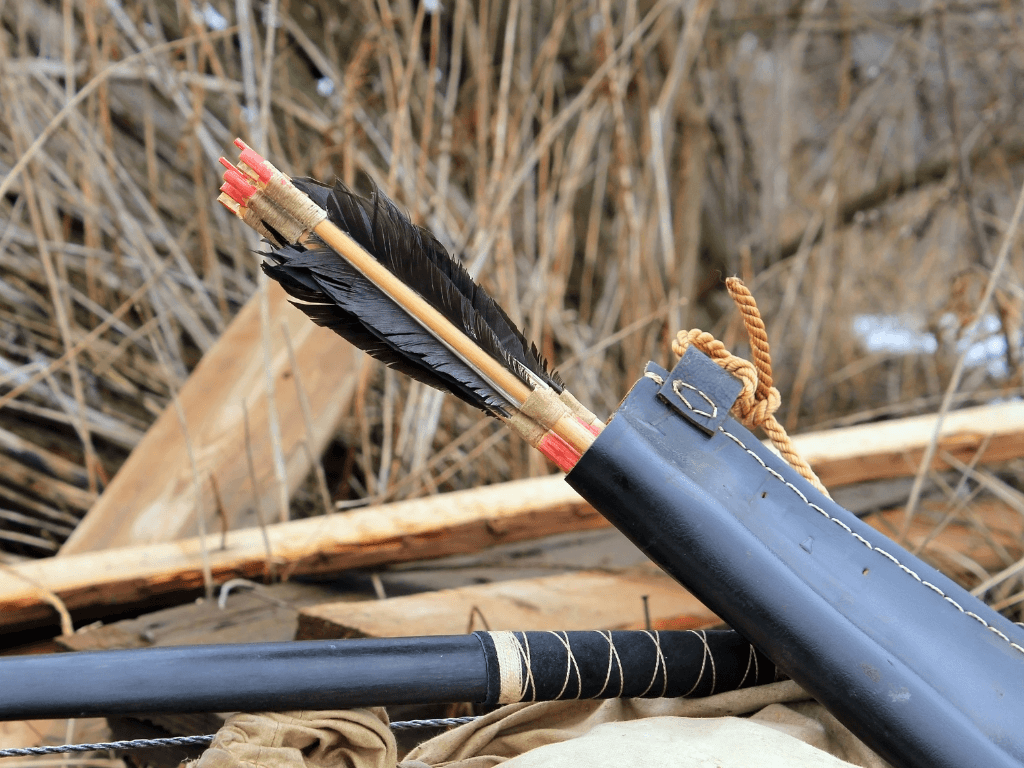
Fashioning a bow is a rewarding pursuit, yet it demands patience and care: picking the right wood, seasoning it properly and tillering by hand. If you're curious about the full process, we've written a dedicated step-by-step guide: how to make a bow and arrow.
Conclusion
Perfecting your bow and arrow skills is a journey of small, deliberate improvements: a consistent anchor, a relaxed grip, a complete follow-through, and practice sessions with a purpose. Work on one thing at a time, track your progress, and your groups will tell the story. See also our guide on how to draw a bow and the different types of archery to keep building your foundation.
Frequently Asked Questions
Consistency comes from doing the same things every shot: the same stance, the same anchor point, a relaxed bow-hand grip and a complete follow-through. Change one variable at a time, practice in short focused sessions, and keep a simple shot log.
Start with safety and basic form: a stable stance, a repeatable anchor point and a relaxed grip. Blank-bale practice at close range — shooting without a target face — is a classic way to build the fundamentals before aiming matters.
Your anchor point is the reference your draw hand returns to on every shot. If the anchor floats even slightly between shots, the arrow leaves from a different position each time and your groups open up. A repeatable anchor is one of the biggest accuracy gains a beginner can make.
Relaxed. A tight bow-hand grip twists the bow at release, which sends arrows left and right. Think of holding a tube of toothpaste without squeezing any out — firm enough not to drop the bow, relaxed enough not to torque it.
Short, focused sessions are more useful than long, tired ones. Many archers progress well with two or three sessions a week, stopping when form starts to deteriorate. Quality repetitions beat high arrow counts.
Whenever your groups plateau despite consistent practice, or when you keep repeating the same form fault. A coach or club session can spot issues you can't see yourself and is usually the fastest way past a plateau.