
Archery is a fascinating, age-old sport that has developed over time to include various styles and techniques. Every archery discipline — from traditional longbows to the Olympic recurve — has its own traits, tools and goals. To help you select the type of archery that best suits you, this guide walks through the main archery disciplines, their histories, current popularity, and techniques.
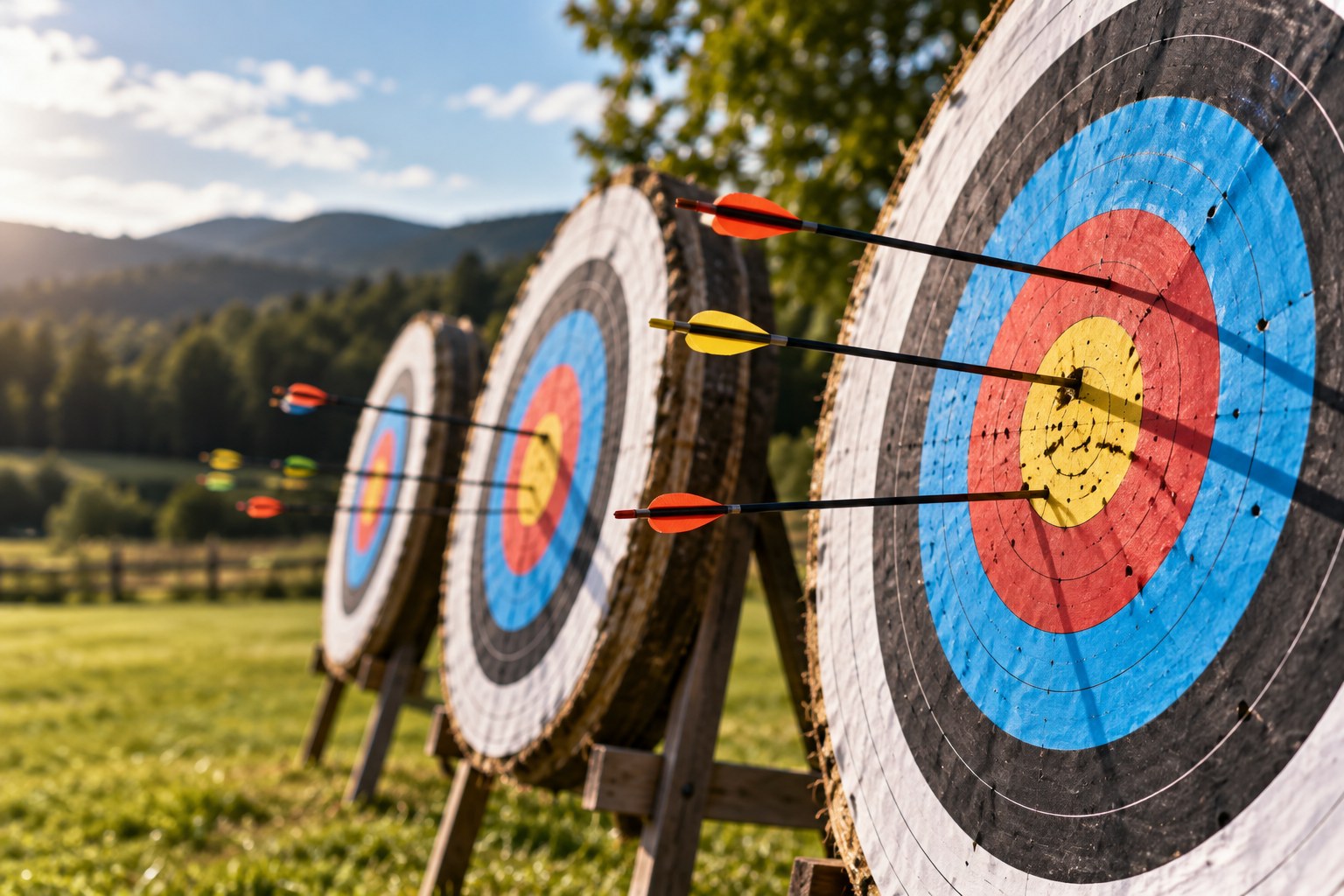
The Different Types of Archery: Explained and Compared
Olympic, crossbow, traditional, compound and horseback — how the main archery disciplines differ in equipment, setting and skill.
🏹 Archery Disciplines vs. Bow Styles
People often use "types of archery" to mean two different things: the discipline — how and where you shoot — and the bow style — the equipment you use.
Disciplines include target, field and 3D archery (shooting formats). Bow styles include recurve, compound and longbow (equipment divisions).
This article covers both, because this is how beginners first encounter the terminology — the five historic categories below mix disciplines and equipment styles, and we point out which is which as we go.
📋 Key Takeaways
- Olympic archery uses modern recurve bows at 70 m — precision, repeatability and mental focus.
- Compound bows use cams and cables; let-off reduces holding weight at full draw, not the need for good technique.
- Traditional archery means longbows, traditional recurves and self-bows — shot without modern aiming accessories.
- Crossbows hold the string mechanically and release it with a trigger — steady to aim, regulated separately in some hunting contexts.
- Horseback archery combines riding with shooting short, traditional-style bows — a separate skill from standing archery.
- Target, field and 3D are shooting disciplines you can practice with almost any bow style.
📑 Table of Contents
📑 Table of ContentsJump to any section in this guide 8 sectionsView contentsHide contents
The Five Types at a Glance
| Type | Typical Equipment | Typical Setting | Main Challenge / Focus | Beginner Accessibility |
|---|---|---|---|---|
| Olympic Archery | Modern recurve, sight, stabilizer, finger tab | Target range, 70 m | Precision and repeatability | High — most clubs teach recurve first |
| Crossbow Archery | Crossbow, bolts, trigger mechanism | Target range; permitted hunting contexts by jurisdiction | Trigger-based shooting, steady aim | High — low physical holding effort |
| Traditional Archery | Longbow or traditional recurve, wooden arrows | Range or field | Form and instinctive/gap aiming | Moderate — simple gear, steeper technique |
| Compound Archery | Compound bow with cams, sight, release aid | Target, 3D or hunting contexts | Precision plus equipment setup | Moderate — easy to hold, more setup |
| Horseback Archery | Short traditional/recurve-style bow | Dedicated horseback archery venue | Riding + shooting coordination | Specialized — riding skills required |
← Scroll sideways to see all columns →
Not sure where to start? Target archery with a recurve at a local range is the most common first step — most clubs teach recurve, and the skills transfer to every other discipline. See our beginner's guide and beginner range guide.
Which Type of Archery Is Right for You?
Still deciding? The right type depends on what you want out of a session. These are the most common starting points — none is "better" than another, just different. Many archers try more than one before settling, and plenty keep shooting several for fun. If you can, start at a local range with rental equipment and see what feels natural.
Structured target competition
Olympic-style target archery offers a clear, measurable progression — recurve bows, set distances and standard scoring.
Simple, traditional equipment
Traditional archery focuses on form and instinctive aiming with a longbow or traditional recurve. See how longbows and short bows compare.
Adjustable, precise equipment
Compound archery is commonly associated with cams, let-off and accessory-friendly setups for target, 3D or hunting contexts.
Crossbow target shooting
Crossbows use a trigger-held string, which may suit archers who want steady aiming with less draw-hold effort.
Riding plus archery
Horseback archery combines riding skill with shooting — a distinct challenge usually practiced at dedicated venues.
Outdoor courses and varied terrain
Field or 3D archery focuses on walking courses with targets at varied distances, heights and angles. Learn how 3D courses work.
1. Olympic Archery
- Best known for
- Recurve archery at the Olympic Games
- Typical equipment
- Modern recurve, sight, stabilizer, finger tab
- Where it's practiced
- Target ranges, 70 m distance
- Context
- Olympic and international competition
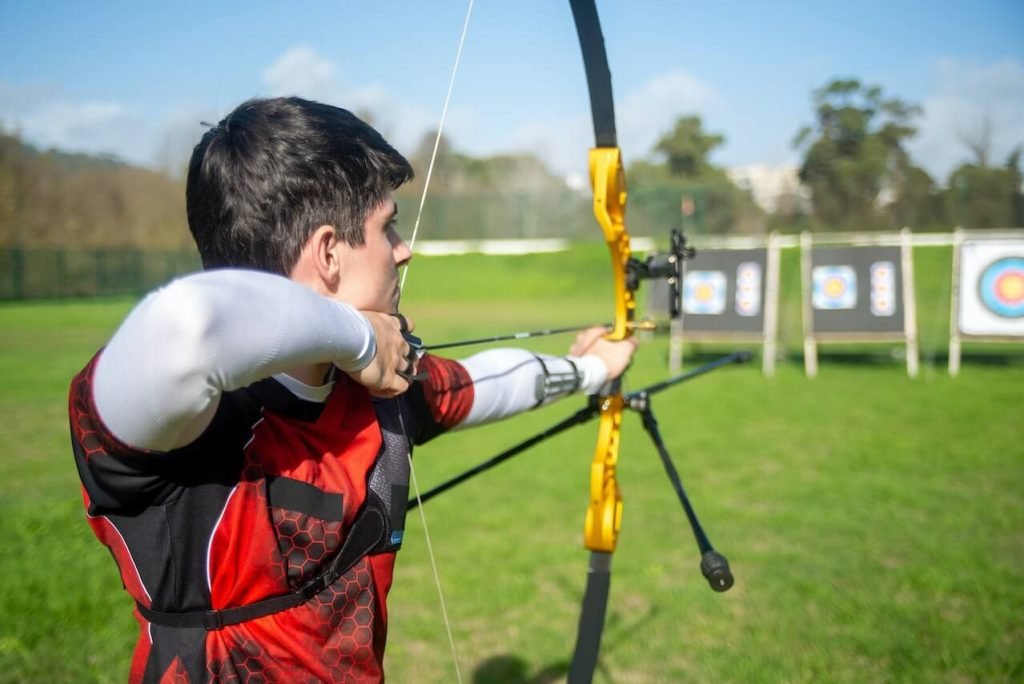
The archery discipline with the most name recognition and popularity is Olympic archery. In this sport, recurve bows are used to aim at targets from a predetermined distance of 70 meters away.
Archery first appeared at the Olympic Games in 1900, then disappeared from the programme for several decades. It returned permanently in 1972, and the modern Olympic competition is shot with recurve bows from 70 metres at a 122 cm target face.
To participate in Olympic archery, you need a few pieces of specialized equipment: an Olympic recurve bow, arrows, a quiver, a sight, a stabilizer, and a finger tab. Recurve bow limbs curve away from the archer when the bow is not strung.
The arrows are made for maximum consistency and accuracy, and the archer keeps them in a quiver. The sight helps with precise aiming, while a stabilizer attaches to the bow to reduce vibration and improve stability during the shot. A finger tab protects the fingers from the bowstring. Overall, Olympic archery is a difficult and rewarding sport that requires a combination of physical skill, mental focus, and specialized equipment.
2. Crossbow Archery
- Best known for
- Mechanically held string, trigger release
- Typical equipment
- Crossbow, bolts, trigger mechanism
- Where it's practiced
- Target ranges; hunting where permitted
- Context
- Recreational and regulated competition
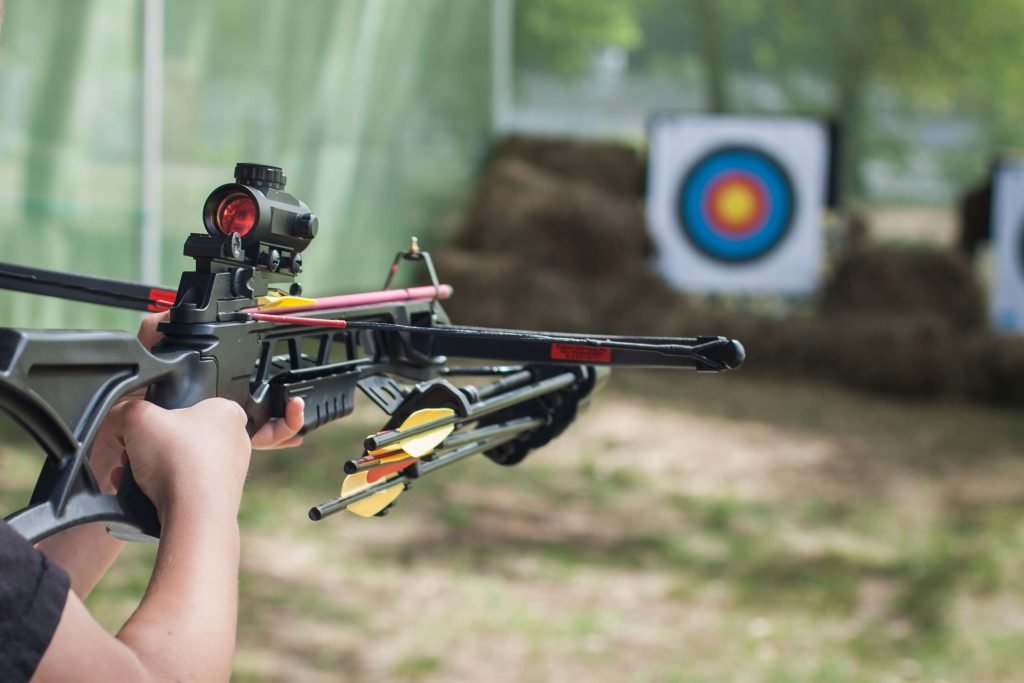
Crossbow archery is a form of archery that involves the use of a crossbow. A crossbow mounts its bow — the prod, or lath — transversely on a stock (also called a tiller), with the string held by a catch and released by a trigger mechanism. This horizontal design makes aiming and shooting steadier for many archers.
This horizontal design makes aiming and shooting steadier for many shooters, which is why crossbow shooting is a popular choice for hunting, target shooting, and even medieval reenactments.
Shooting a crossbow places less demand on draw strength and hold than other forms of archery, because the trigger mechanism lets you aim and release a bolt with less physical effort than holding a bow at full draw. That also makes the sport more accessible for physically challenged users.
To participate in crossbow shooting, several items of equipment are required. To participate in crossbow shooting, you need a crossbow, bolts (the short, thick projectiles used in place of standard arrows), and — depending on the discipline — sights and a target or shooting venue. The trigger mechanism holds the string at full draw, which reduces the physical effort required to hold aim. Overall, crossbow shooting is a popular form of archery that offers a steadier, less physically demanding alternative to traditional archery — although competitive excellence still requires concentration and precision.
3. Traditional Archery
- Best known for
- Longbows, traditional recurves, self-bows
- Typical equipment
- Simple bow, wooden arrows, finger guard
- Where it's practiced
- Ranges and field courses
- Context
- Heritage, reenactment and recreation
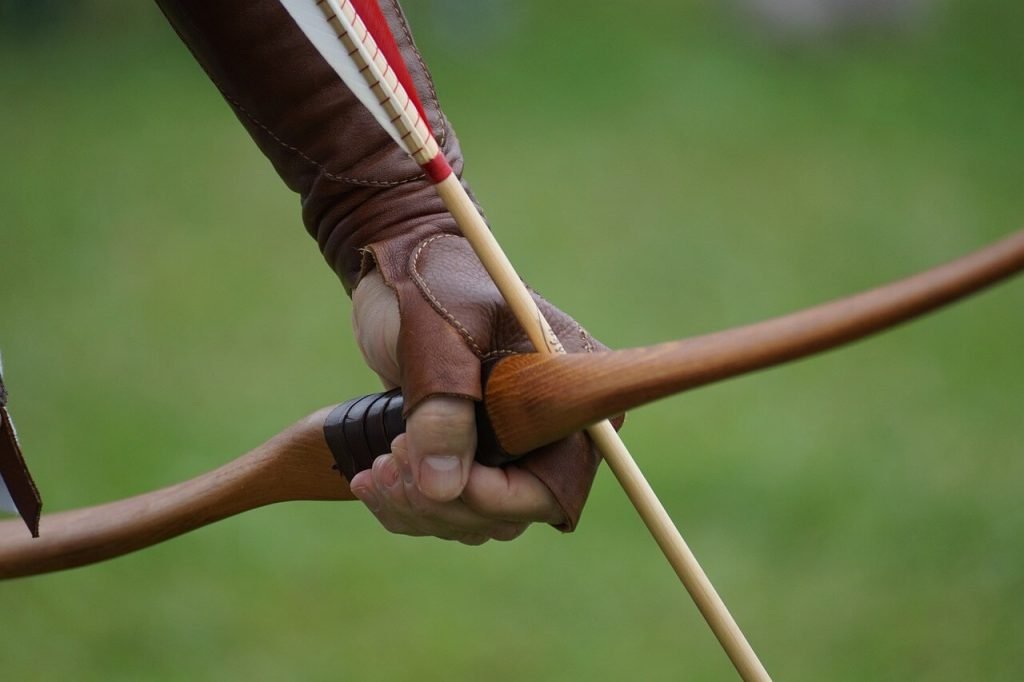
Traditional archery prioritizes traditional bows and techniques such as the longbow, traditional recurve, and Asiatic-style bows. This form of archery is often associated with history and cultural heritage.
Traditional archers shoot wooden bows, handmade arrowheads, and finger guards, rather than modern accessories. The focus is on the skill of the archer, not the technology: traditional archers aim and shoot without sights or stabilizers, relying on their own abilities and experience.
That simplicity is part of the appeal. Using traditional equipment, archers can experience the same challenges and rewards as archers in previous centuries. Many traditional archers also participate in historical reenactments or cultural events, further immersing themselves in the heritage of the sport.
Traditional archery may seem more challenging than using modern equipment, but it can also be more satisfying — by relying on skill and technique, archers achieve a greater sense of accomplishment. If you're curious how traditional bows compare, see the 7 key differences between longbows and short bows.
4. Compound Archery
- Best known for
- Cams, cables and let-off
- Typical equipment
- Compound bow, sight, release aid
- Where it's practiced
- Target, 3D, field and hunting contexts
- Context
- Modern competition and bowhunting
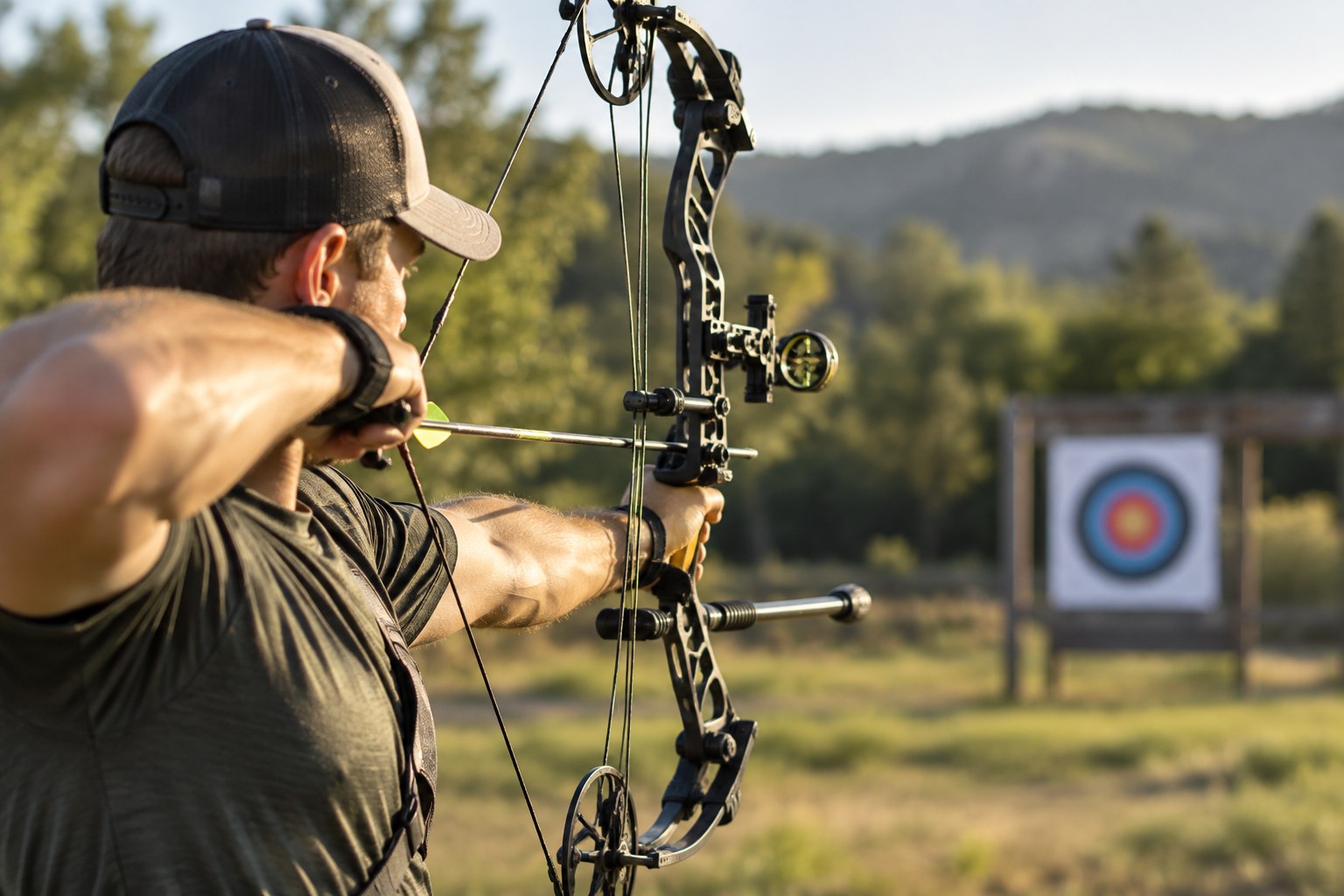
Compound archery is a modern and increasingly popular form of archery that uses a compound bow designed with a system of cams (elliptical wheels) and cables that work together to store energy efficiently. The cams create 'let-off': at full draw the holding weight drops to a fraction of the peak draw weight, so the archer can aim steadily with far less effort. Unlike traditional archery, which uses simple bows, compound archery is known for its ability to shoot accurately at longer distances.
That makes it a popular choice for target shooting, hunting, 3D archery, and field archery. One of the main advantages is that the bow requires less physical effort to hold — archers can stay at full draw for long periods without the fatigue experienced with traditional bows, allowing steadier shots at greater distance.
That said, let-off does not make the bow aim itself: consistent technique still decides where the arrow lands. In addition to the bow, archers often use release aids for a cleaner, more consistent release, sights for aiming, and stabilizers to balance the bow and reduce recoil.
If you shoot compound, our paper tuning guide will help you dial in arrow flight. Overall, compound archery is an exciting form of modern archery that offers many advantages over traditional archery.
5. Horseback Archery
- Best known for
- Shooting while riding at speed
- Typical equipment
- Short traditional/recurve-style bow
- Where it's practiced
- Dedicated horseback archery venues
- Context
- Sport competitions and demonstrations
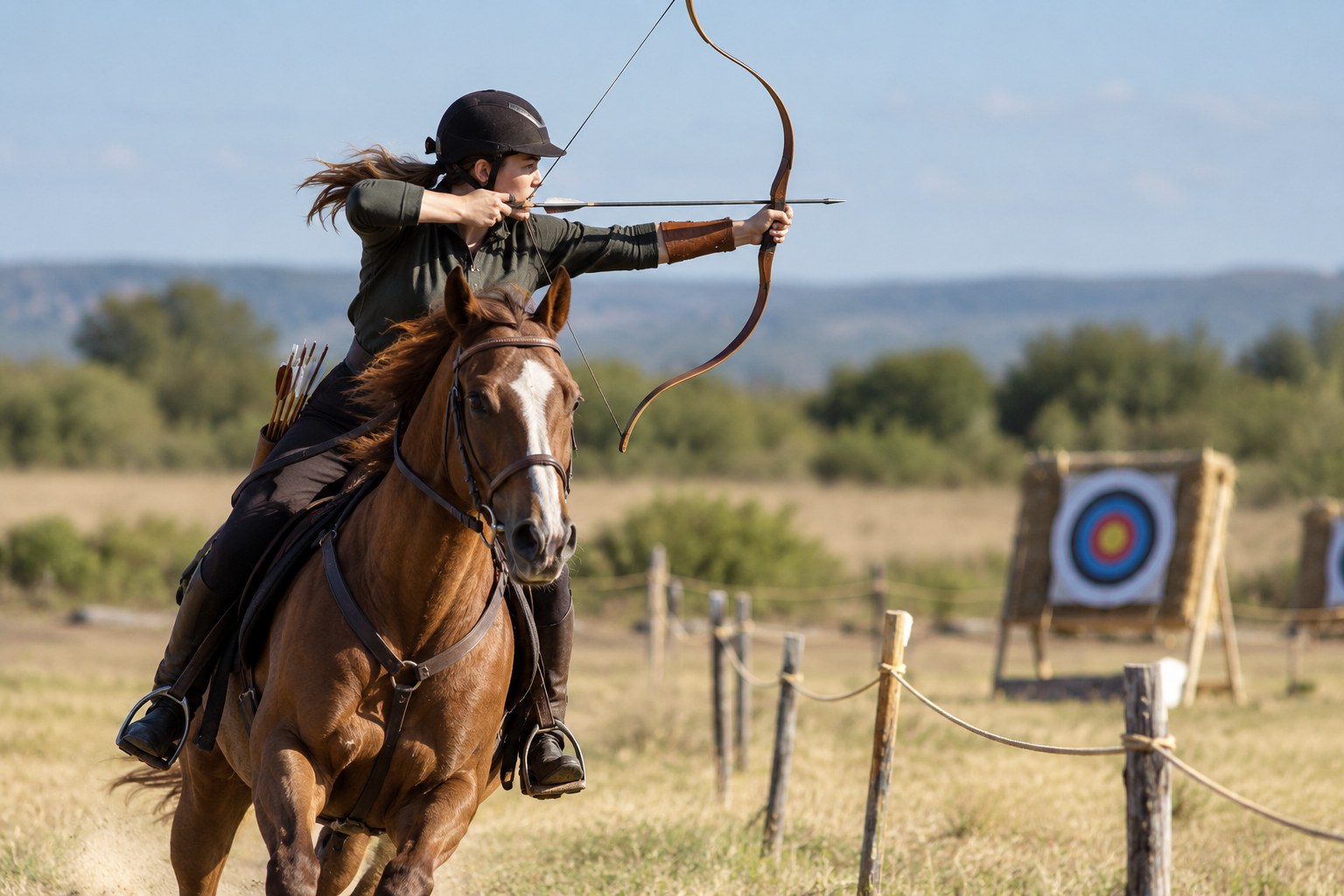
Horseback archery is an exciting and challenging sport where you shoot a bow and arrow while riding a horse. It has been practiced in many cultures throughout history, and today the International Horseback Archery Alliance (IHAA) governs international competition, with archers progressing through grading levels at the walk, trot and canter.
The challenge is real: riders must manage the horse, their balance and the bow all at once. The sport is usually played in competitions or demonstrations where riders follow a course and shoot at targets along the way.
Equipment used in mounted archery includes horses, bows, arrows, helmets, saddles, and special stirrups. Saddles and stirrups give the rider stability and balance when riding fast, while bows and arrows are specifically designed for riding.
All in all, horseback archery is an incredible display of skill and athleticism that fascinates and inspires people around the world.
Enjoy Your Bow to the Fullest!
Whichever type of archery you choose, the most important thing is to find a style that fits your interests and goals — and then practice it safely. If you're still deciding, our bow types hub compares individual bow designs in depth, and our beginner's guide walks through getting started step by step.
Conclusion
Archery is a diverse and exciting sport that offers something for everyone. Whether you prefer the precision and elegance of Olympic archery, the simplicity and authenticity of traditional archery, the power and technology of compound archery, the historical feel of crossbow archery, or the adrenaline and challenge of horseback archery, there's a type of archery that can satisfy your interests and goals. By understanding the different types of archery, you can choose the one that resonates with you and start enjoying this ancient and rewarding sport.
Other Archery Disciplines You'll Encounter
Beyond the five historic categories above, these shooting formats are recognized by World Archery and come up constantly at clubs and ranges.
Target Archery
The classic range format: circular multi-ring faces at set distances, shot indoors and outdoors. The basis of Olympic archery.
Field Archery
Walk a course on uneven terrain and shoot at targets at varying distances and angles — up hills, down slopes and between trees.
3D Archery
Foam animal targets placed along a course at unmarked distances. Popular for bowhunting practice and casual fun.
Indoor Archery
Target archery shot indoors at 18 m — the winter staple that keeps archers training year-round.
Para Archery
Archery for athletes with impairments, shot with recurve or compound under adapted rules and classifications.
Flight Archery
The pure distance discipline: archers shoot for maximum arrow flight distance rather than accuracy.
Archery also includes several more specialized formats — depending on the governing body and event, archers may encounter disciplines such as clout archery, run archery and ski archery.
Frequently Asked Questions
Target archery with a recurve bow is the most common starting point — it's what most clubs teach, equipment is affordable, and the skills transfer to every other discipline. A beginner-friendly range or club with lessons and rental bows matters more than the specific bow style. See our beginner range guide to find a good place to start.
Olympic archery is shot exclusively with recurve bows from 70 metres at a 122 cm target face. Archers use sights, stabilizers, a clicker and a finger tab — but no release aids or magnified scopes.
Traditional archery uses simple bows like longbows and traditional recurves, typically without sights or stabilizers, and relies on the archer's form. Compound archery uses cams and cables that create let-off, so holding at full draw takes far less effort — and it's commonly shot with sights and release aids.
Yes — crossbow is recognized as an archery discipline by governing bodies like the World Crossbow Shooting Association, and many ranges include crossbow divisions. Rules vary by country, and in hunting contexts crossbows are regulated separately from vertical bows in some jurisdictions.
Field archery is shot outdoors on uneven terrain: archers walk a course and shoot at targets set at varying distances and angles — up and down slopes, between trees. It's one of the disciplines recognized by World Archery.
3D archery uses three-dimensional foam animal targets placed along a course at unmarked distances. It's especially popular for bowhunting practice because it simulates shooting at game in realistic settings. Read our 3D archery guide to learn how 3D courses work.
📚 Sources
- World Archery — Disciplines worldarchery.sport/sport/disciplines · accessed Sep 2026
- World Archery — Equipment worldarchery.sport/sport/equipment · accessed Sep 2026
- USA Archery usarchery.org · accessed Sep 2026
- World Crossbow Shooting Association worldcrossbow.com · accessed Sep 2026
- International Horseback Archery Alliance ihaa.info · accessed Sep 2026
- International Olympic Committee — Archery olympics.com · accessed Sep 2026