
Short answer: longbows and short bows differ in seven key ways: (1) Size — longbows are typically 6–7 feet (about the archer's height), while short bows are generally 36–60 inches; (2) Draw length — longbows allow a longer draw for more stored energy, short bows have a shorter draw; (3) Usage — longbows suit long-range shooting and open field, short bows suit horseback, close-range and dense woodland; (4) Speed — short bows release faster at close range, longbows maintain energy over distance; (5) Cost — short bows tend to be less expensive than longbows; (6) Range — longbows reach farther; (7) Arrows — longbows generally pair with heavier arrows, short bows with lighter, shorter ones. Your choice depends on your intended use, available space and budget.
To distinguish between longbows and short bows, there are various factors to consider, especially if you are new to the field of archery. While size is the most apparent difference, there are seven other distinctions between the two types of bows that are worth noting.
Understanding the specific uses and differences between longbows and short bows is crucial in determining which type is best suited for your needs. While they are distinct in their manufacturing and intended purposes, both types are designed to perform effectively. To make an informed decision on which bow to purchase, it's essential to be able to distinguish between the two. Keep reading to discover the differences between longbows and short bows, along with additional information about each.
📋 Key Takeaways
- Longbows measure 6–7 feet (typically archer-height); short bows are 36–60 inches.
- Longer draw length means more energy and range; short bows excel at close-quarters speed and handling.
- Longbows dominated medieval warfare and long-range hunting; short bows were preferred for horseback archery.
- Short bows tend to cost less than longbows — but handcrafted versions of either can reach high prices.
- Longbows generally use heavier, larger arrows; short bows use lighter, smaller arrows — using the wrong type causes accuracy issues.
- The strung longbow's iconic "capital D" shape is a quick way to recognize it; short bows are often recurve-style for compact power.
📑 Table of ContentsJump to any section in this guide 8 sectionsView contentsHide contents
- So, What Is the Difference Between a Longbow and a Short Bow?
- Longbows and Short Bows: Similarities and Differences
- What is a Short Bow?
- What is a Longbow?
- The 7 Key Differences Between Longbows and Short Bows
- What Factors Should You Consider When Selecting the Right Bow?
- Who Might Prefer Each?
- Frequently Asked Questions
Longbow vs Short Bow at a Glance
| Factor | Longbow | Short Bow |
|---|---|---|
| Typical length | About the archer's height — often 6 feet or more | Generally under 60 inches, many between 36 and 60 |
| Handling | Heavier, needs open space to draw | Lighter and more maneuverable — ideal for horseback or brush |
| Draw feel | Long, smooth draw with high stored energy | Shorter, tighter draw that releases quickly |
| Portability | Bulky to carry and transport | Compact and easy to carry |
| Historical context | Medieval warfare and long-range hunting | Mounted archery and close-range hunting |
| Common modern use | Traditional target archery at longer distances | Traditional styles, close-range target practice |
So, What Is the Difference Between a Longbow and a Short Bow?
Although longbows and short bows share some similarities, it is crucial to understand that they are crafted differently and serve distinct purposes. Here are the seven differences:
If you are contemplating which bow to use, keep reading — each difference is explained in detail below.
Longbows and Short Bows: Similarities and Differences
Longbows and short bows are two types of bows that have been used for hunting and as weapons in wars throughout history. The primary difference between the two is evident from their names — one is long, and the other is short.
Traditional longbows and short bows are typically made from different types of wood, such as elm, oak, or maple. They are relatively easy to manufacture since they are often crafted from a single, long piece of wood. However, some longbows can be made from multiple pieces of wood. While there are modern versions of longbows that do not follow the traditional design, the classic medieval-style bow remains popular among archers.
Here are some basic details to differentiate between the two types of bows:
- A longbow is typically recognizable by the "capital D" shape formed by the bow and bowstring. The length of a longbow is usually the same as the archer's height. Historical longbows, also known as self-bows, are made from a single piece of wood.
- A short bow, on the other hand, is made with more flexible wood and can also be crafted from a single piece or multiple pieces of wood.
What is a Short Bow?
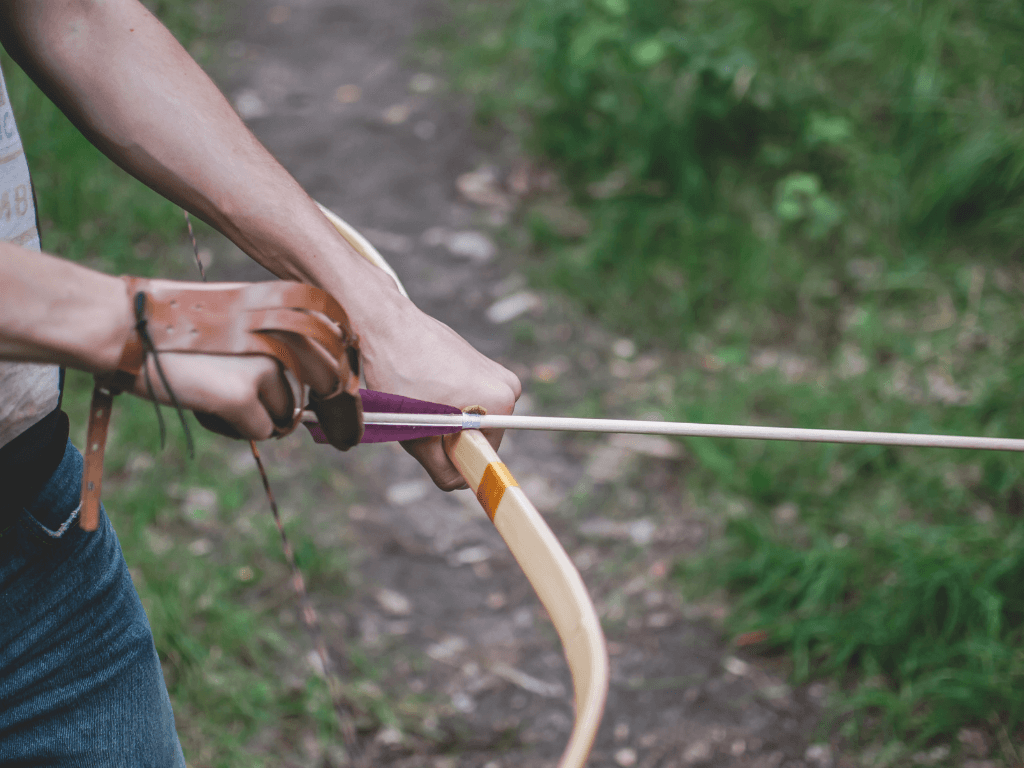
As the name suggests, a short bow is simply a bow that has a shorter length. Technically, the length of a short bow should not exceed 60 inches. While some smaller versions of longbows also have strings that do not contact the limbs, short bows are more commonly designed as recurve bows. An excellent illustration of this concept is the traditional horse bow.
A short bow can be crafted from either a single piece of wood, similar to a longbow, or multiple pieces of wood. It is a relatively straightforward process and can be made from durable hardwoods like bamboo or hard maple. During medieval times, traditional short bows were fashioned from yew wood and used for hunting, as seen in Viking culture. These types of short bows were typically drawn closer to the chest.
Due to its size, a short bow is ideal for shooting while on horseback. In fact, some shorter versions of bows can even be used while sitting. Despite its smaller size, a short bow still requires both hands to operate. Various types of bows can also be shortened, such as the compound bow and the recurve bow.
What is a Longbow?
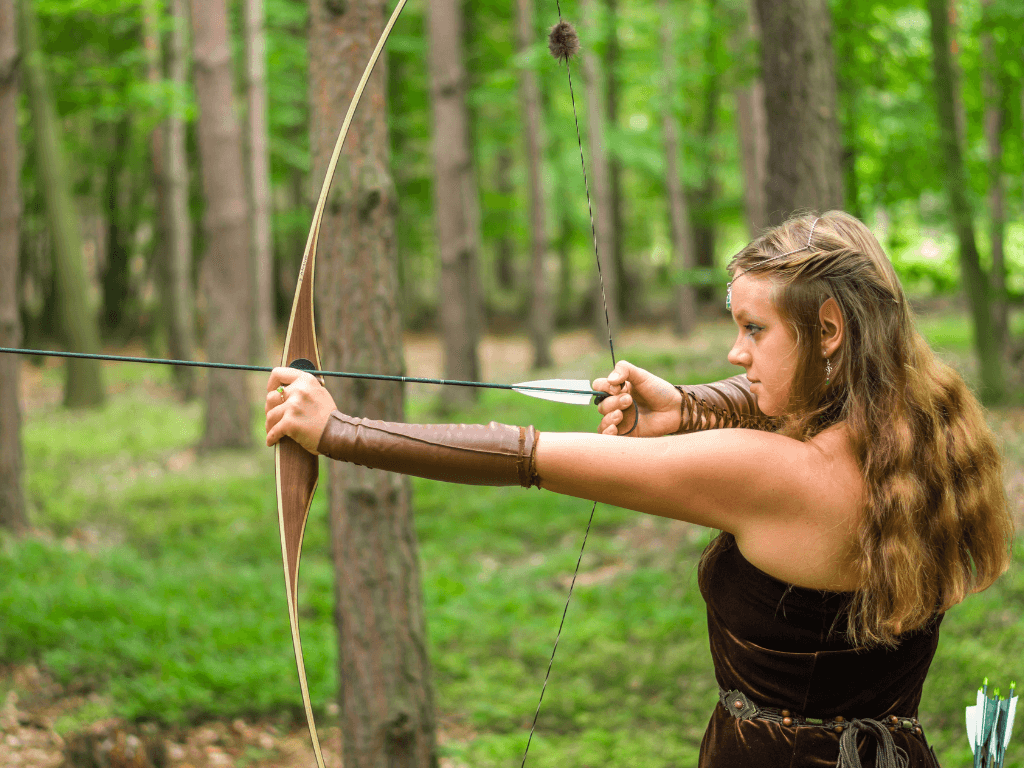
The length of a longbow is typically similar to the height of the archer, whereas a short bow is much shorter in length. Additionally, the longbow is a traditional and classic type of bow that is constructed from a single piece of wood, which is commonly referred to as a self-bow. When observing a longbow, its shape resembles that of a closed parenthesis ")" or a capital "D".
A distinct characteristic of the longbow is that its string does not touch the bow itself at the end, creating the recognizable capital "D" appearance. In the past, longbows were typically crafted from yew wood and it would take approximately three years to properly prepare the wood before it could be used to create a bow. The inner and outer portions of the yew tree were commonly utilized in the bow-making process.
The 7 Key Differences Between Longbows and Short Bows
After conducting extensive research, seven primary differences distinguish these two types of bows. Here's a detailed breakdown of each difference:
Size
The primary distinction between a longbow and a short bow is their size. A longbow can measure between six to seven feet long and is typically the same height as the archer. This makes it heavier and bulkier to transport and more suitable for open spaces where ample arm space is necessary for drawing.
The handle's thickness, which is the widest part of the bow, can range from 33% to 75% of the bow's width. Additionally, the wood towards the limbs of the bow is slimmer than the midsection. It's worth noting that two versions of longbows exist: the Victorian-style longbow, which lacks any bends or shapes, and the Medieval longbow, which has a slight curvature.
In contrast, a short bow is defined by its length, which is shorter than a longbow. The average length of a short bow ranges between 36 and 60 inches, but it should not exceed 60 inches.
Draw Length
The draw length of a bow, which refers to how far back you can pull the bowstring, is largely affected by the size of the bow, including the longbow and short bow, as well as the archer's own physical attributes. If you're considering using a longbow, it's crucial to choose the appropriate size based on your height to ensure that you can achieve the ideal draw length.
Longbows, being longer in size, have longer strings that allow for a greater draw length. This longer draw length provides the arrow with more energy, making it suitable for shooting over longer distances. However, if you choose a longbow that is too small for your height, you won't be able to achieve your full draw length and the arrow won't have enough energy to reach longer ranges.
On the other hand, short bows are typically no longer than five feet and have a shorter draw length than longbows. The archer's ability to draw the bowstring is limited by the bow's smaller size. As a result, short bows are ideal for shooting at closer distances.
In summary, when it comes to bow selection, the size of the bow and the archer's physical attributes play a significant role in determining the draw length, which ultimately affects the speed and range of the arrow.
Usage
Bows have a variety of uses, with hunting and target practice being the most common. The main difference between bows lies in the range and distance that the arrow can reach. When hunting, one typically needs to shoot at a greater distance from the game. This is where the longbow comes in handy, as it is designed specifically for longer ranges. However, longbows can also be used for target practice, where the target is typically set up at a further distance.
On the other hand, the short bow is designed with a smaller draw length, making it more suitable for shooting at targets within close ranges and distances. This makes it a practical choice for target practice or competition.
Another important factor to consider when choosing between a longbow and a short bow is the amount of space required. Since a longbow is larger, it requires a wider space to fully draw the bowstring. Conversely, a short bow is shorter and requires less space to fully draw the bowstring.
Speed
The size, range, and arrow size are all factors that influence the speed at which a longbow and short bow can shoot an arrow. Essentially, the size of the bow determines the range that the arrow can travel, while the weight of the arrow varies depending on the type of bow used.
A longbow, being longer, allows for a greater draw length which in turn generates more energy to propel the arrow at a faster speed and over longer distances. In contrast, the shorter draw length of a short bow means that less energy is available to shoot the arrow at a far range. However, the draw is tighter than that of a longbow, which means that the arrow shoots out faster. It is important to note that the downside of the short bow is that the arrow may not be able to reach a farther target due to the limited speed.
Cost
In order to determine whether a longbow or a short bow is within your budget, it's important to research the prices of each. While short bows tend to be less expensive than longbows, the quality of the bow will affect the price. Handcrafted bows, for example, will cost more to manufacture and therefore be more expensive. The materials used to make the bow and any pre-attached accessories or customization options will also affect the price.
Longbows can range in price from $100 to $400 for mass-produced designs, but a well-crafted longbow can cost thousands of dollars due to the high-quality materials and precision shaping. Similarly, the materials and time to produce a short bow will affect its price, but they tend to be less expensive than longbows due to their use of fewer materials. Short bows can be found for anywhere between $60 to $200. It's important to consider your budget and the quality you're looking for when choosing between a longbow and a short bow.
Range
The range of a bow refers to the distance it can shoot an arrow, with each type of bow designed for a specific purpose and range. A longbow, for instance, is ideal for long-range shooting and can cover considerable distances. On the other hand, a short bow is designed for closer-range shooting, making it ideal for hunting in dense woodland or shooting from horseback. The effective range of either bow also depends on the archer's skill and the arrow setup, so treat published numbers as a guide rather than a guarantee.
Arrow Type
The type of arrow used with a longbow is generally different from that used with a short bow. Longbows typically require heavier, larger arrows to match their higher draw weight and longer draw length. Short bows, on the other hand, work well with lighter, smaller arrows that complement their shorter draw and quick release. Using the right arrow for the bow matters: mismatched arrows can hurt both accuracy and the bow itself.
What Factors Should You Consider When Selecting the Right Bow?
When choosing between a longbow and a short bow, keep these practical factors in mind:
- Your height and draw length — a longbow should roughly match your height to reach a full draw.
- Where you will shoot — open field or range favors the longbow; brush, horseback or tight spaces favor the short bow.
- Intended use — long-range practice and traditional target archery vs close-range practice and mounted styles.
- Budget — short bows tend to be less expensive, though craftsmanship drives the real price of both.
- Experience and preference — the bow that feels natural in your hands is usually the right starting point.
Who Might Prefer Each?
No winner here — the two designs simply serve different archers:
A longbow may suit…
Archers who shoot traditional styles at longer distances, enjoy historical bows, and have the open space and strength for a tall, heavier bow.
A short bow may suit…
Archers who want a light, compact and maneuverable bow — for horseback styles, close-range practice, dense terrain or an affordable first traditional bow.
Frequently Asked Questions
Yes. A longbow is typically around the archer's own height — often six feet or more — while a short bow generally stays under about 60 inches, with many between 36 and 60 inches.
The short bow. It is lighter, more compact and easier to move through brush or carry on horseback, which is part of why short bows were historically the mounted archer's choice.
Generally yes — a longbow's longer draw length stores more energy in the arrow, which supports shooting over longer distances. Short bows trade some of that range for speed and handling at close quarters.
They can be, mainly because they are lighter, more maneuverable and often less expensive. That said, the best beginner bow is the one that fits your height, strength and intended use — try both types if you can.
Size is the headline difference, and size drives most of the rest: a longbow's greater length gives a longer draw, more stored energy and longer range, while a short bow is quicker to handle, easier to carry and built for close-range use.
Yes. Longbows are often shot at longer target distances, while short bows are common for closer target practice and traditional styles such as horseback archery. Both reward patient practice.