
Short answer: the right archery range depends on where you are in the sport. Beginners usually do best with a supervised indoor range that offers lessons and rentals. Experienced archers often want longer distances, 3D or field courses, and competition opportunities. Whether you're a seasoned archer or just starting out, finding the right range can make all the difference in your archery journey. This guide explains how to choose between indoor, outdoor, 3D and club ranges — and lists verified range examples across different use cases so you can see what to look for.
📋 Key Takeaways
- Beginners benefit most from supervision, lessons and shorter controlled distances — rentals make the first visit easy.
- Experienced archers often value longer distances, 3D/field courses and competition facilities.
- Rental and coaching availability varies widely between commercial, club and public ranges.
- Indoor, outdoor, field and 3D ranges serve different purposes — match the range to your goal.
- Always verify current hours, access and rules before visiting any range.
📑 Table of ContentsJump to any section in this guide 9 sectionsView contentsHide contents
New to Archery? Start Here
The ancient art of bow-shooting has been practiced and perfected for centuries. It demands accuracy, precision, and focus from the archer. Whether indoors or outdoors, the sport of archery attracts people of all ages and abilities. Even the most experienced archer can always find something new to learn.
Archery is also one of the few sports where a complete beginner and a national competitor can shoot side by side on the same line. If you are just starting out, you don't need to buy anything yet: most good ranges will rent you a bow and walk you through your first session.
Before picking a range, it helps to know the basics. See our guides on the different types of archery, how to draw a bow, and perfecting your bow and arrow skills. When it comes to equipment, your first bow, arrows and safety gear can wait until you've had a few lessons — a coach or range staff can fit you properly. And while the benefits of archery are widely enjoyed — focus, patience and time outdoors — take any health claims with common sense: it's a sport, not a prescription.
How to Choose an Archery Range
Here is a practical checklist to evaluate any range before you commit:
- Distance options — does it offer the yardage you need, now and as you improve?
- Indoor vs outdoor — indoor gives year-round, weather-proof practice; outdoor gives space, distance and variety.
- Lessons and coaching — are beginner classes offered, and is equipment included?
- Rentals — can you shoot without owning a bow?
- Beginner friendliness — is there a safety orientation, and are staff helpful to new archers?
- 3D and field availability — do you want animal targets or a course in the woods?
- Competition opportunities — leagues, tournaments or club rounds if you compete.
- Access model — public drop-in, membership, or member-only with guest days?
- Rules and safety — clear range rules, safe backstops, and equipment restrictions that fit your bow.
- Location and schedule — close enough to visit regularly, with hours that fit your week.
Types of Archery Ranges
For those in the market for a target shooting experience, there are a number of options available. Before choosing a range, it is important to consider individual skill level and experience — newcomers may wish to begin with an indoor or outdoor range at a shorter distance, while more experienced archers may opt for a 3D or long-distance range. Regardless of the type of range, safety should always be a priority.
Indoor ranges
Climate-controlled lanes, usually 18–30 yards, with rentals, lessons and predictable conditions — the easiest place to start or to keep practicing through winter.
Outdoor target ranges
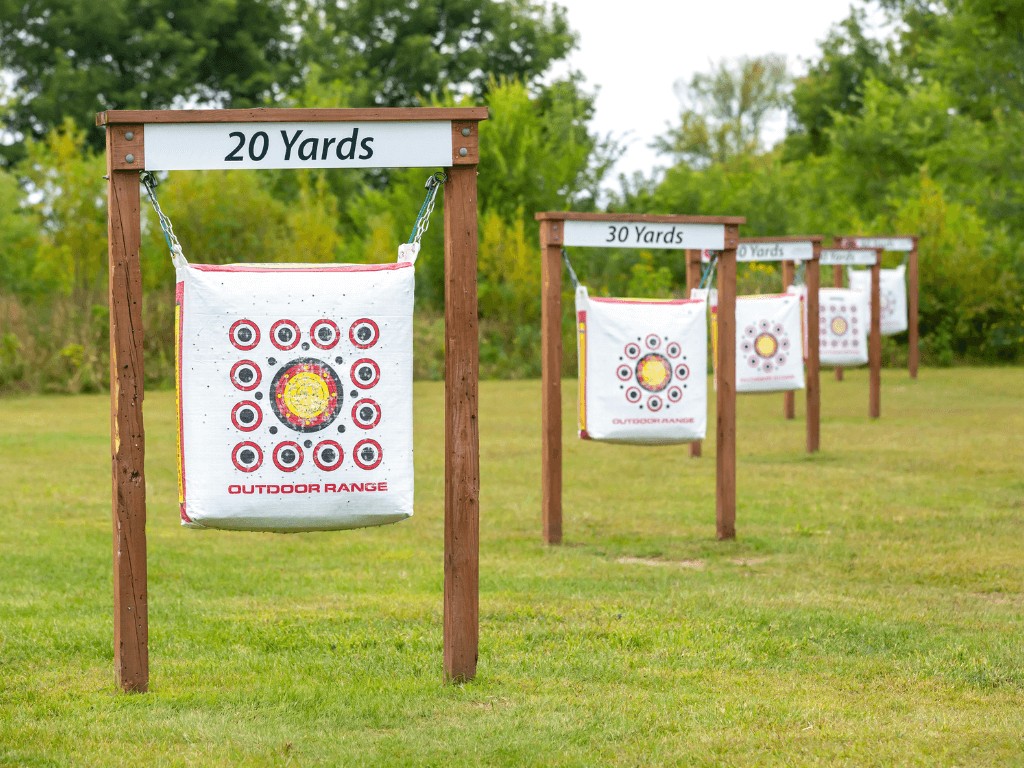
Open-air lanes at longer distances, often in parks or clubs. Cheaper and roomier, but weather-dependent and usually bring-your-own-equipment.
3D ranges
Foam animal targets along a trail or indoor course, shot from realistic positions. Favorite practice for bowhunters and a fun change of pace for target archers.
Field & club ranges
Field courses and private club grounds with varied terrain, leagues and competitions — usually membership-based, sometimes with public days.
Beginner vs Experienced Range Needs
Finding the perfect archery range for those new to the sport is crucial. To make it easier, we've compiled a list of the best spots for novices. These ranges feature friendly staff to answer all your questions, along with a wide selection of equipment and a top-notch safety record. Joining a beginner's class can be a great way to get familiar with archery — these classes provide an opportunity to learn the fundamentals of aiming and shooting, as well as proper form.
Those seeking to hone their archery skills should look for ranges with a wide range of targets, distances, and obstacles. Expert archers will be pushed to their limits with 3D animal targets, moving targets, and long-distance shooting options — while those looking to compete should find a range that hosts frequent tournaments.
Beginners and experienced archers look for different things, so it's worth being honest about which one you are:
Beginner priorities
Coaching and beginner classes, rental equipment, controlled distances, a clear safety orientation and a friendly staff that answers questions without pressure.
Experienced priorities
Longer distances, 3D animal targets and field courses, night shooting where offered, leagues and tournaments, and specialized practice for your discipline.
Verified Range Examples Worth Considering
Instead of pretending to rank the entire country, here are seven verified examples — each confirmed with its official website in September 2026 — chosen to represent different range experiences. They are examples, not a ranking:
Parma Armory Shooting Center
Parma, OH
Climate-controlled indoor 3D range with a 90-minute beginner class ($50, equipment included) and bow rentals — useful for archers looking for a first supervised visit. Official site →
Woodley Park Archery Range
Van Nuys, CA
A free public outdoor range in Los Angeles run by a volunteer club, with Saturday beginner classes and equipment provided — useful for archers looking for free, no-membership practice. Official site →
OC Archery
Mission Viejo, CA
20 indoor lanes with recurve rentals, a $25 beginner class and a full pro shop — useful for archers who want to rent before they buy. Official site →
Ohio Premier Archery and Sports
Middlefield, OH
23 indoor lanes to 50 meters with published pricing and Friday-night 3D shoots — useful for archers who want serious, predictable practice. Official site →
Westwinds Metropark
Holland, OH
A free public range with a 30+ target 3D trail and on-site rentals (seasonal, closes in winter) — useful for archers looking for a long free 3D course. Official site →
Scioto Grove Metro Park
Grove City, OH
A free park range with static lanes to 50 yards, a 12-target 3D course and free Try It! programs with equipment provided — useful for families and budget-conscious archers. Official site →
Spring Valley Wildlife Area
Waynesville, OH
A free ODNR range with an 18-target wooded trail course, open dawn to dusk with no permit — useful for bowhunters doing pre-season trail practice. Official site →
For full guides with profiles, maps and pricing, see our dedicated state guides: California, Utah and Ohio.
Range Comparison at a Glance
| Range | Location | Type | Lessons | Rentals | 3D | Access | Best suited for |
|---|---|---|---|---|---|---|---|
| Parma Armory | Parma, OH | Indoor | ✓ $50 class | ✓ $20 | ✓ indoor | Public walk-in | Beginners & families |
| Woodley Park | Van Nuys, CA | Outdoor | ✓ Saturday classes | Class only | — | Free · public | Free practice |
| OC Archery | Mission Viejo, CA | Indoor | ✓ $25 | ✓ recurve | — | Public walk-in | Indoor + rentals |
| Ohio Premier | Middlefield, OH | Indoor | ✓ $60/hr coaching | Lesson equipment | ✓ Fri/Sat | $15/hr | Serious practice |
| Westwinds | Holland, OH | Outdoor | Park programs | ✓ on-site | ✓ 30+ targets | FREE (seasonal) | Free 3D trail |
| Scioto Grove | Grove City, OH | Outdoor | Free programs | ✗ | ✓ 12 targets | FREE · public | Free park practice |
| Spring Valley | Waynesville, OH | Outdoor | ✗ | ✗ | ✓ 18-target trail | FREE · ODNR | Bowhunter practice |
How to Find a Range Near You
Good starting points, in order of usefulness:
- Local archery clubs — usually the best combination of coaching, community and range access; many accept beginners.
- Municipal parks and recreation departments — free or low-cost public ranges are more common than people expect.
- Archery retailers with ranges — shops often have lanes and beginner programs.
- State wildlife agencies — many maintain free public ranges, especially in hunting-focused states.
- USA Archery club resources — a good directory of affiliated clubs if you're looking for structured programs.
No single directory covers everything, so try two or three of these and call ahead before visiting.
Finding Professional Archery Coaches
In your pursuit of a qualified archery coach, it's essential to ensure they have the experience and knowledge to help you reach your goals. Ask friends or family for recommendations, and ask at local clubs and ranges — most good coaches teach through a club or shop. A coach with recognized credentials and experience coaching your discipline is ideal, though a long competition history alone doesn't guarantee good teaching.
For the skills a coach will help you build, see our perfecting your bow and arrow skills guide.
Conclusion
In conclusion, archery is a thrilling sport that anyone can enjoy, regardless of age or skill level. Finding the right archery range is the single most useful step a new archer can take — and the most overlooked upgrade for experienced ones. Match the range to your goals, verify it before visiting, and don't be afraid to try a lesson at two or three places before committing. With the right range, you can be sure of a safe and enjoyable experience, whether you're shooting your first arrows or your thousandth. So what are you waiting for? Grab your bow and arrows, and start your archery journey today!
Frequently Asked Questions
A range with supervision, beginner lessons and rentals is usually the best start — indoor ranges are especially beginner-friendly because they are climate-controlled, have controlled distances and often include an orientation. Look for a range that lets you try a lesson with equipment included before you buy anything.
Many do, but not all. Indoor commercial ranges commonly rent recurve bows and sometimes compounds, often as part of a lesson or lane package. Free public park ranges usually do not rent equipment — you bring your own. Check the range's website or call before visiting.
Yes, at ranges that offer rentals or beginner classes with equipment included. Many indoor ranges bundle a bow, arrows and safety orientation into a first-visit lesson. Free public ranges generally expect you to bring your own gear.
Indoor ranges are climate-controlled with fixed lanes and controlled distances, making them predictable year-round. Outdoor ranges are usually larger with longer distances, and may include field courses, 3D trails or free public lanes — but they depend on weather and daylight.
3D ranges shoot foam animal targets along a trail or course. Many outdoor clubs, park districts and wildlife areas maintain them — some free, some club-run. Check your state wildlife agency, park district or local archery clubs, and see our 3D archery guide for what to expect.
Most commercial and club ranges do, ranging from one-session beginner classes to ongoing coaching. Free public ranges usually rely on park programs or volunteer-run beginner days. Ask about instructor credentials and equipment included when booking.
Check current hours, access rules (public vs member-only days), rental availability, pricing if published, and any equipment rules such as broadhead restrictions. A quick call or a look at the official website prevents most surprises.