
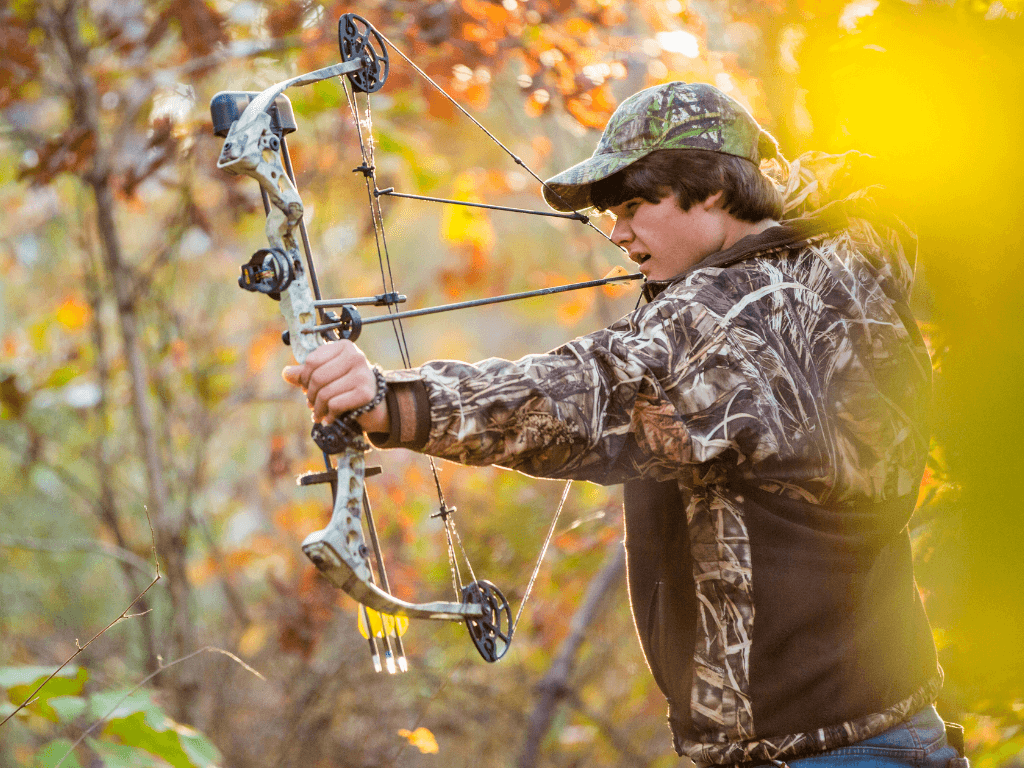
For the seasoned hunter, there are always new skills and strategies to learn that can help you improve your accuracy, increase your chances of success, and make sure you have a safe and enjoyable hunting experience. In this article, we'll explore some of the most important factors to consider when it comes to bowhunting, from selecting the right equipment to mastering shot placement and hunting during the rut. So whether you're just starting out or looking to take your hunting game to the next level, read on for some valuable insights and advice.
📋 Key Takeaways
- Accuracy and consistency come from practiced, repeatable form — not from buying a more powerful bow.
- Hunt within your practiced distance — the ethical shot is the one you can make reliably and confidently.
- Prepare before the season: licenses, gear inspection, practice and scouting beat last-minute fixes.
- Shot discipline wins hunts — wait for a clear, safe, ethical opportunity instead of rushing a marginal one.
- Regulations change annually — confirm current rules with your state wildlife agency before every season.
- Build your skills with our skills guide and start legal with the license guide.
📑 Table of ContentsJump to any section in this guide 13 sectionsView contentsHide contents
- The Importance of Accuracy and Consistency
- Factors to Consider When Selecting a Bow
- Tips and Techniques for Bowhunting
- Before You Hunt: Quick Checklist
- Shot Discipline in the Field
- Common Bowhunting Mistakes
- How to Prepare in the Weeks Before Season
- The History of Bowhunting
- Hunting During the Rut
- Starting with Traditional Bows
- Having a Clear Plan and Using the Best Equipment
- A Beginner's Guide to Bowhunting
- Frequently Asked Questions
The Importance of Accuracy and Consistency
To reach success as a bow hunter, accuracy and consistency are essential. Even when using the most powerful bow, without proper aim and identical form, results will not be achieved. Therefore, it is paramount to drill regularly and establish muscle memory in order to duplicate the same stance each time. This constancy allows you to trust in your abilities and tools to make exact shots in the field.
Simply hitting the target is not enough when hunting. It is important to aim for certain areas to guarantee a quick and ethical kill. When accuracy and consistency are present, you may target vital parts of the animal, ensuring a clean kill. This is not only important for moral reasons, but also for practicality, as an incorrectly placed shot could cause the animal to be wounded, making it difficult to follow and bring back. Focus on accuracy and consistency to make clean kills and increase your hunting success rate.
One of the keys to achieving accuracy and consistency is finding the right apparatus. The bow is the most essential item for any bow hunter, and it is vital to pick a bow that suits your requirements and skill level. A bow that is too hefty or too light can cause your accuracy to suffer, making it hard to reach the target consistently. Similarly, selecting the wrong arrows or broadheads can also affect your accuracy. By selecting the correct gear, you can concentrate on your technique and improve your accuracy and consistency.
Finally, it's important to remember that accuracy and consistency are not only about hitting the target. They also involve creating and sustaining good form and technique — your stance and grip, and your drawing and release technique. By focusing on these components and practicing consistently, you will be able to develop muscle memory and obtain consistency with your shots. With this consistency, you'll be able to trust in your skills and gear to make accurate shots in the field, improving your chances of success as a bow hunter.
Factors to Consider When Selecting a Bow
When embarking on the thrilling sport of bow hunting, selecting the optimal bow is absolutely essential for success. There are a multitude of aspects to ponder when picking a bow to make sure it meets your individual requirements and desires. The draw weight of the bow is one of the most important considerations. It should be suitable for your physical abilities and the game you plan to hunt. Moreover, the length of the bow and the kind of grip can also play a role in your accuracy and comfort while bow hunting. Taking the time to research and try out different bows is key to finding the one that fits your needs as a bow hunter.
In addition, the type of arrow rest utilized should be taken into account when selecting a bow for bow hunting:
- Options such as drop-away and full-capture rests both have their own advantages and drawbacks, so it's important to consider your own requirements and preferences when making a choice.
- Furthermore, the type of bowstring and the tools you use, such as scopes and stabilizers, can also influence your accuracy and success while bow hunting.
By thoroughly examining all these elements, you can pick a bow that is tailored to your individual needs and preferences, and that will help you gain success in bow hunting.
Tips and Techniques for Bowhunting
To become an effective bowhunter, mastering the necessary tips and techniques is essential. Consistent practice allows you to hone your accuracy and develop muscle memory. Additionally, scouting the hunting grounds beforehand can help you find the best places to set up your stand. Patience and the ability to interpret animal behavior are also invaluable traits. Furthermore, adjusting your shot placement based on the animal's position and motion can improve your success. Lastly, understanding the different types of bows and arrows available and how they affect your hunting is also important. By utilizing these tips and techniques, you can become a more effective and successful bowhunter.
Before You Hunt: Quick Checklist
A fast pass through this list before every season — and ideally before every trip:
- License and tags confirmed — current for the state, species and season you plan to hunt.
- Season dates and local rules checked — including any equipment restrictions for your area.
- Equipment inspected — string, cables, sight, rest and arrows, with broadheads sharp and tight.
- Practice completed — confident, repeatable groups at your planned hunting distance.
- Weather and access checked — and a backup plan for either.
- Route and plan shared — someone knows where you're hunting and when to expect you back.
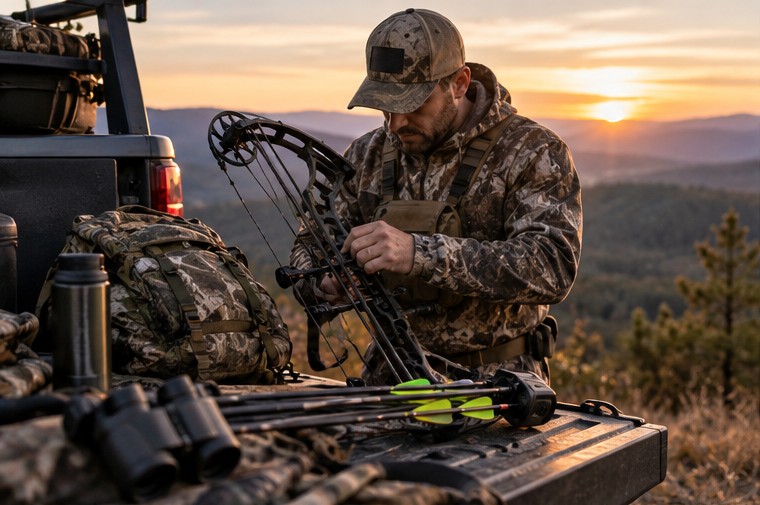
Shot Discipline in the Field
Most bowhunting regrets come from a single rushed moment. Good shot discipline is simple to describe and hard to practice:
- Don't rush — an animal will present another opportunity; a bad shot is permanent.
- Wait for a clear, ethical opportunity — a broadside or slightly quartering shot at a calm animal, within your practiced range.
- Avoid unsafe angles and obstacles — no shot through brush, no shot at an unknown background.
- Know your effective practice distance — and refuse the shot beyond it, no matter how tempting.
- Don't shoot when unsure — if the shot doesn't feel right, let it walk. That decision is also hunting skill.
- Follow through — hold your form until the arrow arrives, then note exactly where it hit.
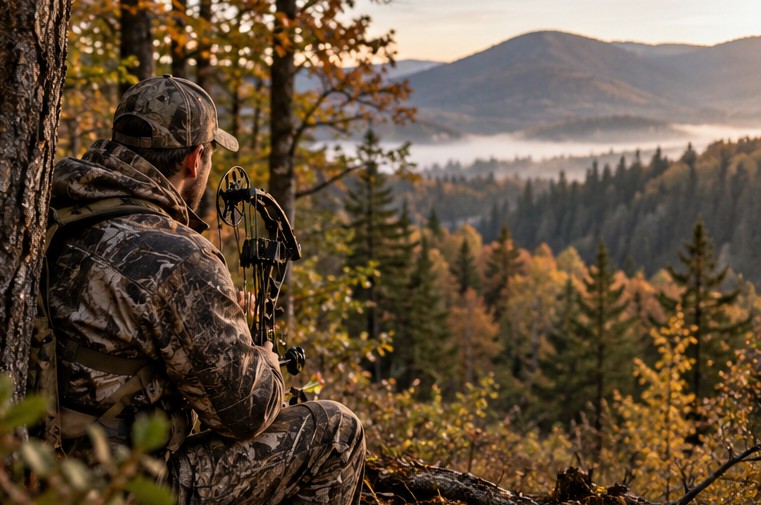
Common Bowhunting Mistakes
- Hunting beyond practiced ability — taking shots farther than anything you've hit consistently in practice.
- Neglecting equipment inspection — discovering a worn string or loose sight in the moment you draw.
- Rushing shots — shooting as soon as a legal animal appears instead of waiting for the right moment.
- Poor preparation — no scouting, no stand plan, no wind check until opening morning.
- Ignoring changing wind and weather — hunting the same spot when the wind has swung wrong.
- Failing to confirm regulations — relying on last year's season dates or equipment rules.
- Changing equipment right before the season — new sights, rests or arrows need practice time before they belong in the field.
How to Prepare in the Weeks Before Season
Confirm and practice
Verify current regulations with your state wildlife agency, confirm your license and tags, and practice consistently — including shots from the positions you'll actually hunt from.
Inspect and plan
Inspect every piece of gear, zero your sight, confirm access and check the weather outlook. Fix problems now, not in the field.
Final check and pack
One last equipment pass, your route and plan shared with someone, and your essentials packed — broadheads, release, rangefinder if you use one, safety gear.
This is a suggested rhythm, not a rigid rule — adjust it to your season, your schedule and your area's rules.
The History of Bowhunting
The evolution of hunting and weaponry through time has a captivating story to tell, and bowhunting is prominently featured. From the Stone Age when stone-tipped arrows were employed to bring down mammoths and bison, to the Greeks' composite bows made of horn, wood, and sinew, to the Native Americans' single-piece longbows, bowhunting has been an essential part of human history. Over the years, its prominence has grown, with the formation of clubs and organizations devoted to its preservation and promotion. Nowadays, bowhunting is an enjoyed recreational activity worldwide, with continuing developments of technology and equipment for an improved experience. Evidently, bowhunting has a captivating past that reveals the resourcefulness of our ancestors.
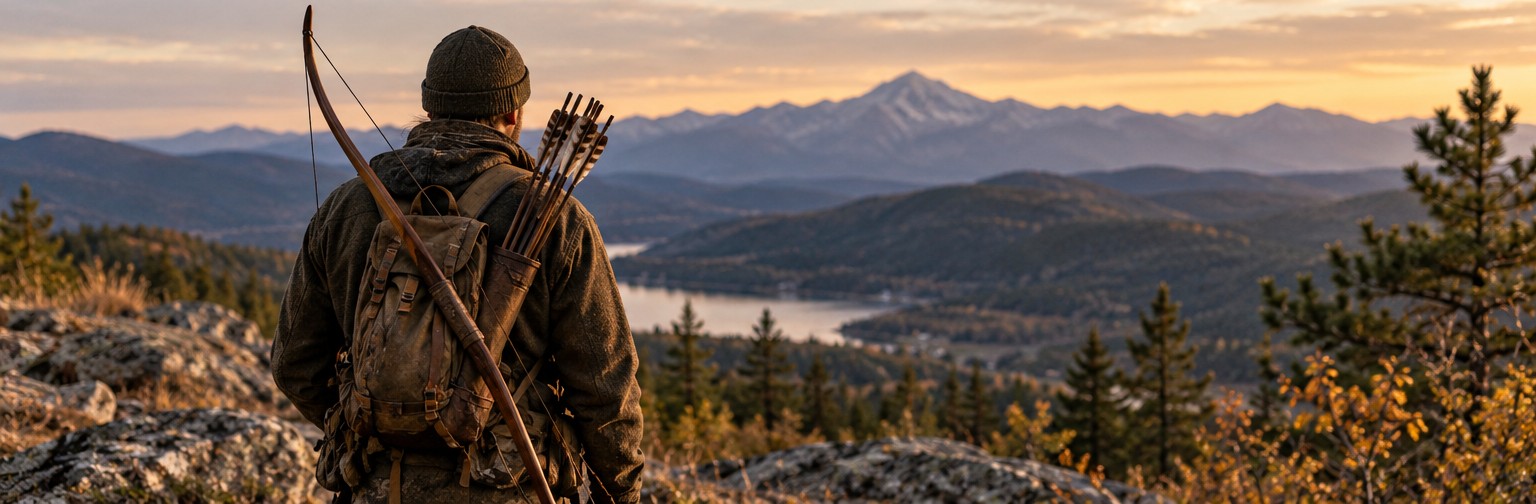
Today, bowhunting is a popular sport for many individuals across the globe, and it continues to develop with the introduction of new technologies and equipment. Clubs and organizations have been established to promote and conserve the activity, and its followers have seen the benefits of its rich and diverse history. From the earliest days of Paleolithic humans to the ingenious composite bows of the Greeks to the Native Americans' single-piece longbows, bowhunting has been an integral part of human history. As can be seen, the history of bowhunting provides insight to the ingenuity and resourcefulness of our ancestors. For more on one of its most influential modern figures, see our Bear Archery company overview.
Hunting During the Rut
Hunting during rut season can be a daunting task for bow hunters. To ensure success, it's essential to have a clear strategy. Start by scouting potential locations. By carefully observing deer activity, you can identify areas where they are most likely to be found.
Secondly, make sure your gear is up to par. Select the right bow and arrows for your skill level and hunting situation, and don't forget about scent control. Investing in quality hunting clothing can significantly increase your success rate.
Finally, study deer behavior and communication during the rut. Bucks may be more vocal and aggressive, and their focus may shift from feeding to breeding. Utilize this knowledge to your advantage — and always confirm the rut timing and season dates for your state, since they shift by region and year. With the right approach, you can maximize your chances of success during the rut.
Starting with Traditional Bows
Getting started with traditional bowhunting can be an exciting and rewarding experience for beginners. To ensure success, it is important to do your research and find the right type of bow for your needs and skill level. Understanding proper technique and form for shooting is also key, such as the ideal stance, grip, and release. With regular practice and gradually increasing difficulty, you can hone your skills and become an adept bow hunter — our types of archery guide is a good place to start.
For those on a budget, traditional bows can be more affordable than modern compound bows. However, investing in quality equipment is still essential for safety and success in the field. This could include a well-made bow, arrows, a quiver, and an armguard.
Bowhunting requires patience, practice, and respect for the natural world. To get the most out of your experience, consider joining a local archery club or finding a mentor. With dedication to the sport, you can become a successful and skilled bow hunter.
Having a Clear Plan and Using the Best Equipment
An integral part of bowhunting success is having a well-thought-out plan and the right equipment. Without a plan, hunters might find themselves in a lurch or without the necessary preparation in the wild. It is imperative to consider elements such as climate, environment, and the animal being pursued when formulating the plan. Also, having the best gear can make a great difference in a successful pursuit. From the bow to the arrows, having quality supplies can augment precision and better the odds of a clean kill.
When selecting the best material, it is essential to research and pick items tailored for bowhunting. This involves picking a bow with the right draw weight and length, as well as arrows with the proper weight and components. Moreover, other accouterments such as sights, stabilizers, and quivers should be taken into account. Investing in good supplies can help ensure that archers are fully equipped for the hunt.
In addition, an important part of establishing a plan and possessing the best gear is safety. Hunters must take precautions to guard their safety and that of those around them. This includes wearing the appropriate clothing and equipment — check your state's blaze-orange requirements for the season you're hunting — and using safety harnesses when hunting from a tree stand. Furthermore, aiming correctly is critical to ensure a fast and humane kill. By having a plan and using the best equipment, hunters can raise their chances of a successful and safe hunt.
A Beginner's Guide to Bowhunting
Getting into bowhunting can be intimidating for those new to the sport, so here's the short path to get off to a great start:
- Complete hunter education (and bowhunter education if your state requires it) — start with the bow hunting license guide.
- Get fitted for a bow, learn the proper draw, and practice consistently with our skills guide until your groups are repeatable.
- Learn the safety precautions — proper equipment, shot discipline and stand safety come before any trophy.
- Scout your area, confirm regulations, and start your first season with modest expectations — a season in the field is the best teacher there is.
Conclusion
Mastering the art of bow hunting is a lifelong pursuit built from simple, repeated habits: practiced accuracy, careful preparation, and the discipline to take only the shot you can make well. Hunt within your ability, respect the animal, verify the rules, and every season will teach you something worth carrying into the next.
Frequently Asked Questions
Bowhunters generally need the same base hunting license as other hunters, plus any species tag or archery permit the state requires — and some states add a bowhunter education requirement. Requirements vary by state; see our bow hunting license guide and check your state wildlife agency.
Hunt within a distance you can hit reliably and ethically in practice — for many bowhunters that means consistent groups at 20–30 yards. Practice from the positions you'll actually shoot from, and don't hunt beyond your practiced, confident range.
Confirm your license, tags and season dates with your state wildlife agency; inspect your bow, arrows and broadheads; verify your sight is still zeroed; and check access, weather and local rules for the area you plan to hunt.
Hunter education is required for first-time hunters in every state, and roughly a dozen states also require a separate bowhunter education course for bowhunters. Age thresholds and exemptions vary — confirm what applies to you with your state wildlife agency.
Start with the safety-critical items: bowstring and cables for wear, arrows for cracks or bends, broadheads for sharpness and tight fit, and your sight and rest for anything loose. A broken string or damaged arrow can fail dangerously.
Always start with your state wildlife agency's official website — every state publishes current seasons, license requirements, legal equipment and local regulations there. Rules change annually, so confirm before the season.